Các nhà sản xuất chip bộ nhớ phản đối can thiệp của chính phủ
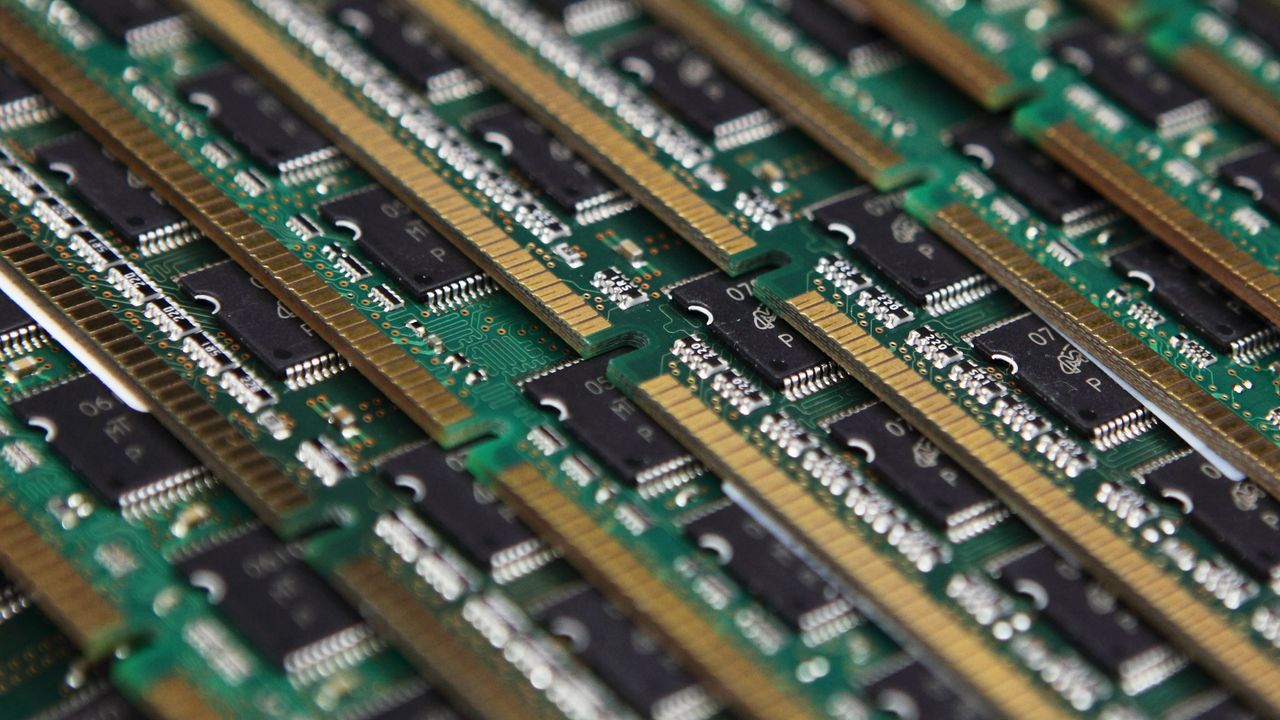
Hiệp hội SEMI, bao gồm các nhà sản xuất chip bộ nhớ hàng đầu như Micron, Samsung và SK hynix, đã gửi thư tới chính quyền Trump phản đối bất kỳ hình thức can thiệp vào thị trường bộ nhớ. Nhóm này cho rằng can thiệp sẽ làm tình hình tồi tệ hơn và đề xuất giảm thuế cho các sản phẩm điện tử tiêu dùng thay thế.
The SEMI industry association, which includes top memory chip manufacturers Micron, Samsung, and SK hynix, has written a letter to the Trump administration urging against any type of intervention in the memory market that would influence prices or production capacity, saying that it will worsen the shortage. According to Bloomberg , the group sent the letter after a lawmaker sent a letter (PDF) asking the Commerce Department to address the issue as the situation is projected to impact the auto industry. Go deeper with TH Premium: Memory (Image credit: SK Hynix) AI data centers are swallowing the world's memory and storage supply The future of DRAM: From DDR5 to future ICs High-bandwidth memory roadmap Here's why HBM is coming for your PC's RAM Sen. Bernie Moreno (R-Ohio) wrote to Commerce Sec. Howard Lutnick in April, asking the government to take steps “to ensure that the U.S. auto industry is fully supplied with memory chips.” However, the industry group is against this. “While targeted policies can support accelerating domestic supply resilience, interventions that distort pricing or capacity decisions risk prolonging the demand downturn,” SEMI said in its message to the government. “Current market conditions are being addressed through investments in American manufacturing and an increasing focus on long-term purchase agreements.” Apple is attempting to address this shortage by lobbying the government to let it purchase memory chips from blacklisted Chinese firm CXMT. SEMI takes a different approach for a temporary solution to the crisis. Instead of allowing a new player to enter the U.S. market, it suggested that the administration should work with Congress to pass tax deductions or credits on consumer electronics, thus offsetting the rising prices caused by the chip shortage. The group claims that even though memory manufacturing capacity is expected to increase by around 19% annually. But even though memory makers are building fabs to help expand output, it will take years for these facilities to come online. This means that demand for memory chips, primarily driven by demand from AI hyperscalers, is expected to outstrip supply, with Samsung and SK hynix saying that the shortages could last until 2027 or even longer. Consumers are looking for alternatives to expensive memory if they need to buy a new computer, which could be seen with increased demand for slower, more affordable DDR4. This has grown so much that companies are restarting production of DDR4 motherboards and memory kits . These are still relatively expensive, though, so the vast majority are simply delaying their planned upgrade, as seen in the 7% drop on PC purchases in the first quarter of 2026, with experts estimating a total of 14% decline in annual deliveries — the biggest market contraction in the last three years.