Biển hiệu hydrant cứu hỏa với ăng-ten Starlink được thử nghiệm cho Wi-Fi khẩn cấp ở Nhật Bản dễ bị thảm họa— mạng lưới rộng rãi hiện có của đồ nội thất cấp đường phố có thể được sử dụng làm mạng lưới liên lạc dự phòng
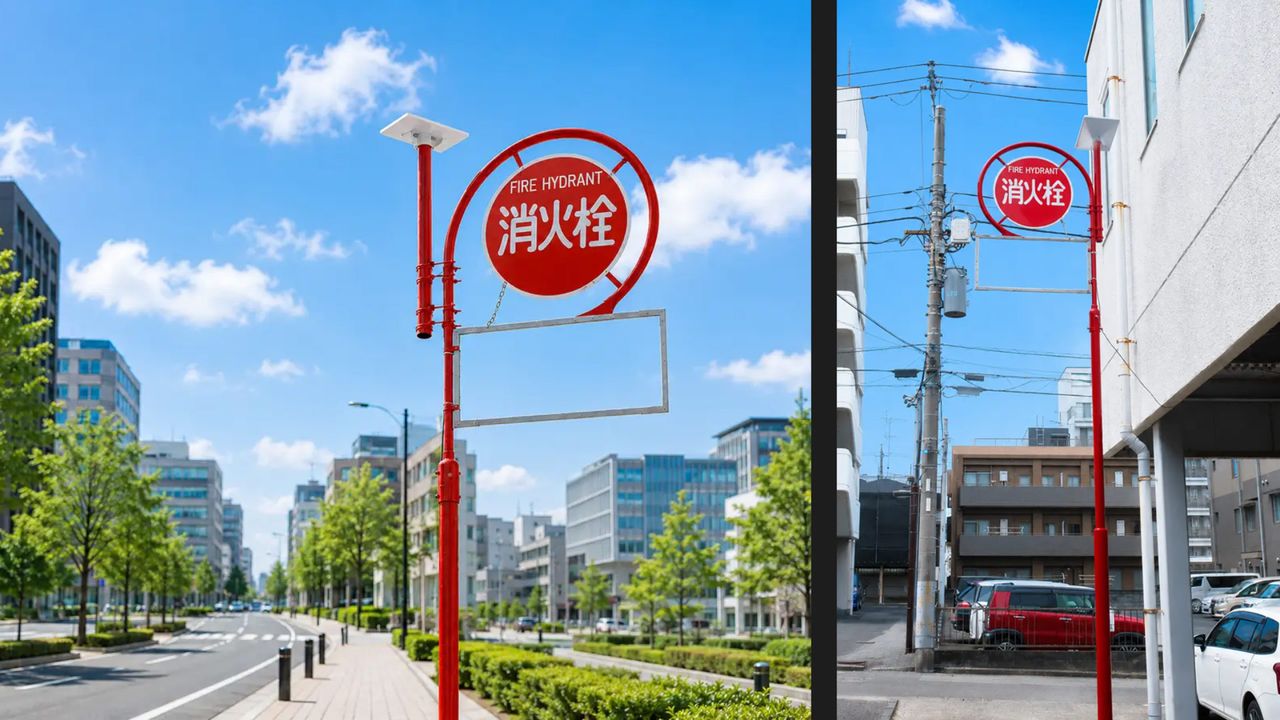
Japan’s Fire Hydrant Sign Co., Ltd. has demonstrated an expansive Wi-Fi network that melds its established infrastructure of street signs with Starlink satellite broadband antennas. The big idea is that this network could provide important, if not essential, fallback connectivity in the event of a natural disaster knocking out fiber, mobile masts, and so on. Japan sits on the intersection of multiple tectonic plates and is prone to earthquakes, tsunamis, and volcanic eruptions – as well as some extreme weather. On Thursday, the Fire Hydrant Sign Co. completed a technical demonstration of a Starlink-supported Wi-Fi network in the vicinity of its Kanagawa Branch. Each sign, a common item of street furniture in residential neighborhoods, can become a dual-purpose emergency water supply sign and ‘communication hub.’ In the top image, you can see two example installations with the Starlink antenna atop a pole beside the traditional circular fire hydrant signage. One of the key strengths of this initiative is that where the Fire Hydrant Sign Co. has a sign, no extra land or structures are required to set up the pole to host a Starlink antenna . Japan has 120,000 fire hydrant signs nationwide, with the trial taking place near Kanagawa province, near Tokyo. Fire hydrant sign explainer (Image credit: Japan’s Fire Hydrant Sign Co., Ltd. PRTimes ) Somewhat surprisingly, fire hydrant signs are largely maintained by private companies in Japan. They make some money via the advertising space on a sign directly below the one indicating the emergency water source location. Adding Starlink to them could provide the aforementioned disaster relief, as well as other monetization opportunities. The Fire Hydrant Sign Co. behind this trial says that it will consider collaboration with local governments, regional companies, and related organizations to roll out this initiative, now proven to be useful. It isn’t only going to be useful in the event of a disaster ; the company foresees demand during power cuts, local large-scale events, and other opportunities where more Wi-Fi connectivity options are desirable. In some press release ‘small print,’ the firm says that its successful trial doesn’t mean that a Wi-Fi service will eventually be launched. It was a technical demo, and it also states that Starlink wasn’t a partner or collaborator in any official capacity.